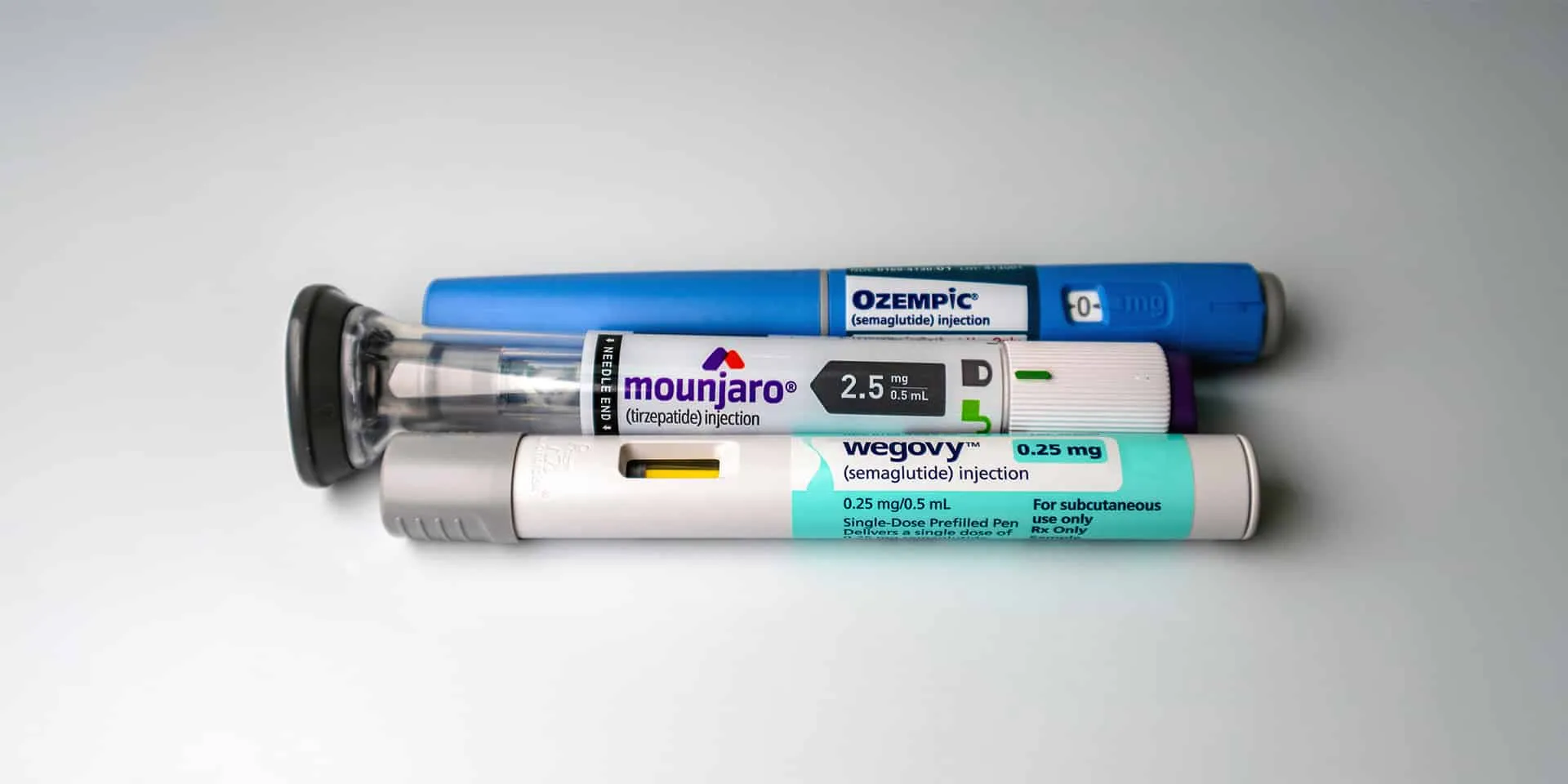
In recent years we have seen how medications such asOzempic, Wegovy or MounjaroThey have gained a lot of popularity in Spain.Demand has grown around 40% annually in the last three years, especially in people with obesity and type 2 diabetes.
TheOrganization of Consumers and Users(OCU) has recently warned about what it calls a “rebound effect” after stopping these treatments.And this is where it is worth it, as people with diabetes or family members, to understand well what is happening.
📉 What happens during treatment?
According to an analysis published in theBritish Medical Journal, these drugs produce:
- An average weight loss of about 14.7 kg at the end of the treatment.
- Clear improvements in blood glucose.
- Lowering of blood pressure.
- Improvement of cholesterol, triglycerides and glycosylated hemoglobin.
I mean, they work.And in many cases they represent a before and after in metabolic control.
🔁 And what happens when they are suspended?
The problem, according to the same analysis, appears when stopping the medication:
- An average of 9.9 kg is recovered a year after stopping it.
- By 18 months, it is normal to have regained practically all the weight lost.
- Metabolic parameters (glucose, cholesterol, etc.) tend to return to previous levels.
- The estimated rate of weight regain is about 0.8 kg per month.
This does not mean that the treatment is useless, but rather that its physiological effect has a determining weight.When it is removed, the body progressively returns to its starting point.
What does this mean for us as people with diabetes?
First, there are no magic solutions.These drugs can be a very useful tool, especially in people with type 2 diabetes and obesity, but they do not replace long-term work on habits.
Second, any decision about starting or stopping these treatments must always be made in conjunction with the endocrinologist, assessing risks, benefits and realistic expectations.
And third, that the focus should not only be on the number of kilos, but on global and sustainable metabolic health.
The OCU itself insists that behavioral programs (balanced low-calorie diet, regular physical activity and habits maintained over time) offer slower results, but potentially more stable if they are consolidated.
Have you used any of these treatments?
Have you noticed changes when you suspended it?
How do you manage the balance between medication and habits?
As always, sharing real experiences helps a lot to those who are starting or considering this type of treatment.Together we can provide a more complete, realistic and human vision of what it means to live with diabetes.